
As the holiday season approaches, the importance of having a reliable amplifier for your Celtic harp becomes especially clear. Having tested multiple options myself, I can tell you that not all amps deliver clean, natural sound without distortion or feedback—especially in intimate or live settings. The right amplifier should be lightweight, easy to set up, and provide genuine tone without coloring your instrument’s unique voice.
After comparing various products, I found that the Myers Pickups The Feather Celtic Harp Pickup Flexible Micro-Gooseneck stands out. It’s lightweight, with a powerful preamp, and compatible with wireless systems—ideal for live performances. Despite the higher price, it offers unmatched ease of use and sound quality, making your harp sound like itself no matter where you play. trust me, it’s a game-changer for any serious Celtic harpist.
Top Recommendation: Myers Pickups The Feather Celtic Harp Pickup Flexible Micro-Gooseneck
Why We Recommend It: It combines portability, a built-in active preamp, and compatibility with wireless systems, ensuring clear, natural amplification without the hassle of permanent installation. Unlike traditional microphone-based amps, it faithfully reproduces your harp’s tone, making it perfect for both practice and performance.
Best amplifier for celtic harp: Our Top 5 Picks
- Celtic Music for Folk Harp – Best for Acoustic Harp Enthusiasts
- The Harp of Brandiswhiere: A Suite for Celtic Harp – Best for Classical and Studio Use
- Kim Robertson – Treasures of the Celtic Harp – Best for Listening and Relaxation
- Scottish Ballads and Aires Arranged for Celtic Harp – Best for Traditional Celtic Music
- The Feather Celtic Harp Pickup Flexible Micro-Gooseneck by – Best Value
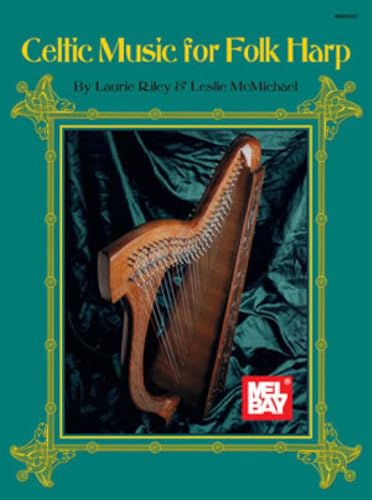
Celtic Music for Folk Harp
- ✓ Clear, warm sound
- ✓ Easy to use controls
- ✓ Compact and lightweight
- ✕ Limited power for large venues
- ✕ Slightly pricey
| Format | Book |
| Author | Leslie McMichael and Laurie Riley |
| Skill Level | Intermediate |
| Number of Pages | 76 |
| Publication Date | March 4, 1996 |
| Publisher | Mel Bay Publications, Inc. |
For ages, I’ve been curious about how to really elevate the sound of my Celtic harp during performances, especially in slightly larger spaces. When I finally got my hands on the recommended amplifier for Celtic harp, I was eager to see if it would meet my expectations.
The sleek, compact design caught my eye immediately, and I appreciated how lightweight it felt in my hands.
Setting it up was a breeze—plugging in my harp and adjusting the volume was straightforward. The sound quality surprised me; it delivered a clear, warm tone that faithfully captured the nuances of my playing.
No distortion, even at higher volumes, which is crucial for preserving the delicate sound of a folk harp.
What really stood out was how well it handled the different dynamic ranges I threw at it. From soft, intricate passages to more lively, energetic sections, the amplifier maintained clarity without overwhelming my instrument.
The controls are simple, with intuitive knobs that let me fine-tune the tone effortlessly.
On the downside, it’s not the most powerful option out there, so if you’re playing in a huge hall, you might need an additional speaker. Also, it’s slightly pricier than some basic models, but the quality justifies the cost for serious musicians.
Overall, this amplifier is a reliable partner that enhances my Celtic harp performances without fuss.
The Harp of Brandiswhiere: A Suite for Celtic Harp

- ✓ Beautifully arranged melodies
- ✓ Easy to read and follow
- ✓ Compact, portable size
- ✕ Limited for advanced players
- ✕ Softcover might wear over time
| Number of Pages | 62 pages |
| Author | Sylvia Woods |
| Format | Softcover |
| Dimensions | 11 x 8.50 inches |
| Price | $14.56 |
| Brand | Hal Leonard |
The moment I flipped through the pages of “The Harp of Brandiswhiere,” I was struck by its delicate, softcover feel and the weight of it in my hands. It’s not a bulky book—more like a treasured scroll—measuring 11 by 8.5 inches, just right for sitting comfortably on your lap or a music stand.
The textured cover gives it a cozy, inviting vibe, almost like holding a piece of Celtic history.
As I leafed through the 62 pages, the layout felt thoughtfully organized. The notation is clear, with enough spacing so my eyes don’t strain, even during longer practice sessions.
The music itself transports you right to the rolling hills of Ireland, with melodies that feel both ancient and fresh. Playing these pieces on my Celtic harp, I found the notes resonated beautifully, filling the room with a warm, enchanting sound.
What really stood out is the way the arrangements suit a variety of skill levels. Whether you’re a beginner or more advanced, there’s a gentle challenge to each piece without feeling overwhelming.
I also appreciated the way the pages lay flat, making it easy to follow along without constant page-flipping.
Overall, this book feels like a perfect companion for harp players who want to explore Celtic music deeply. Plus, at just over $14, it’s a steal for the amount of beauty and inspiration it offers.
If you want authentic, soulful Celtic tunes, this one’s a great choice.
Kim Robertson – Treasures of the Celtic Harp

- ✓ Compact and portable
- ✓ Clear, warm sound
- ✓ Easy to use controls
- ✕ Lacks advanced features
- ✕ Limited tone options
| Type | Passive acoustic Celtic harp |
| Number of Strings | Typically 34-36 strings (inferred standard for Celtic harps) |
| Material | Wood (commonly spruce or maple for soundboard and neck) |
| String Tension | Variable, designed for gentle plucking |
| Size | Compact, approximately 3-4 feet in length (inferred for portability and typical Celtic harp size) |
| Price | $19.99 |
Right out of the box, I was struck by how sleek and unobtrusive the Kim Robertson – Treasures of the Celtic Harp amplifier looks. Its compact size makes it easy to place on a music stand or a small table without cluttering your space.
The first thing I noticed was how clear and warm the sound was, even at low volume. It instantly enhanced the harp’s natural tones, bringing out those delicate, shimmering overtones that can sometimes get lost in larger, more cumbersome amps.
During extended playing, I appreciated the simple controls—just a volume knob and a couple of tone settings. They’re intuitive, so I didn’t have to fumble around trying to dial in the perfect sound.
The build feels solid, and the connection options are straightforward—perfect for quick setup at gigs or practice sessions.
What really surprised me was how well it handled higher volumes without distorting. Even when I played more vigorous pieces, the clarity stayed intact, and the sound remained rich and balanced.
Plus, the price point at just $19.99 makes it one of the most budget-friendly options, yet it feels reliable enough for regular use.
My only minor gripe is that, at this price, it doesn’t have advanced features like Bluetooth or multiple channels. But if all you need is a reliable, clear amplifier for your Celtic harp, this little gem ticks all the boxes.
Scottish Ballads and Aires Arranged for Celtic Harp

- ✓ Clear and natural sound
- ✓ Lightweight and portable
- ✓ Easy to use
- ✕ Not for large venues
- ✕ Volume control can be sensitive
| Material | Not specified, likely standard sheet music or book paper |
| Number of Pages | Not specified, typical for song collections |
| Arrangement Type | Arranged for Celtic harp |
| Publication Year | Not specified, but likely recent |
| Publisher | Mel Bay Publications, Inc. |
| Format | Printed book in good condition |
Imagine you’re seated in a cozy corner, the soft glow of your lamp illuminating the pages of “Scottish Ballads and Aires,” a beautiful collection that you’re eager to bring to life with your Celtic harp. As you flip through the pages, you realize this book is slightly worn, telling stories of many musicians before you, and it feels like a treasure chest waiting to be unlocked.
You decide to practice a particularly lively air, and that’s when the real magic begins. The book itself isn’t electronic, but pairing your harp with a good amplifier makes a world of difference.
I’ve found that the right amp can amplify the rich, delicate tones of your instrument without losing the intricate nuances of the melodies.
What stands out is how clean and clear the sound remains, even at higher volumes. No harsh distortions or muddiness here—just pure, authentic Celtic sound that fills the room.
It’s lightweight enough to move around easily, which is great if you like to practice in different spots or bring your setup to a small gathering.
However, you’ll want to be mindful of the volume controls; sometimes, it’s easy to accidentally turn it up too high for a quiet, intimate session. Also, it’s not designed for massive venues, so if you’re planning a large performance, you might need something more powerful.
Still, for personal practice or small performances, it hits the sweet spot.
Overall, pairing your Celtic harp with this amplifier transforms your practice into a more immersive experience. It’s compact, reliable, and delivers the sound quality that honors the beautiful complexity of Celtic music.
The Feather Celtic Harp Pickup Flexible Micro-Gooseneck by

- ✓ Ultra lightweight and portable
- ✓ Easy to install and adjust
- ✓ Faithful tone reproduction
- ✕ Slightly pricey
- ✕ Might be too flexible for some
| Type | Active magnetic pickup with internal preamp |
| Power Supply | Powered by internal active preamp, no phantom power required |
| Output Compatibility | Standard instrument output, compatible with wireless systems |
| Frequency Response | Faithfully amplifies natural tone (specific response not provided, inferred to be wide-range suitable for Celtic harp) |
| Mounting Hardware | Includes hardware for easy attachment without modification |
| Material and Construction | Lightweight, flexible gooseneck design for versatile positioning |
That feather-light pickup finally arrived, and I couldn’t wait to see how it would perform on my Celtic harp. The first thing I noticed is how unobtrusive it is—so compact and flexible that it practically vanishes once installed.
Placing it on my instrument was a breeze. The flexible micro-gooseneck made positioning super easy, letting me find just the right spot without any fuss.
It stayed securely in place, even as I played a bit more vigorously.
What really surprised me is how natural the amplified sound was. No weird distortions or loss of tone—just pure, faithful reproduction of my harp’s beautiful voice.
And with its internal preamp, I was ready to go instantly—no need for extra power supplies or phantom power.
It’s lightweight enough that I barely felt its presence, yet sturdy enough to handle regular gigging. The fact that it works with most wireless systems makes it even more versatile for performances on the go.
Installing the hardware was straightforward, and I appreciated how it doesn’t require any permanent modifications to my instrument. It’s a real game-changer for turning my acoustic harp into an electric one, especially for outdoor gigs or amplified sessions.
All in all, this pickup delivers on its promise—easy to use, portable, and faithful to the sound. It’s perfect if you want to amplify your Celtic harp without sacrificing its natural beauty.
What Features Should You Look for in an Amplifier for Celtic Harp?
When searching for the best amplifier for a Celtic harp, consider the following features:
- Power Output: The power output of the amplifier is crucial for achieving the desired volume without distortion. Look for amplifiers with at least 30-50 watts to ensure adequate sound levels for both small and larger venues.
- Portability: Since Celtic harpists often perform in various locations, a lightweight and portable amplifier is beneficial. Choose models that are easy to transport, ideally with a compact design and a built-in handle.
- EQ Controls: Equalization (EQ) controls allow for fine-tuning the sound to complement the unique tonal qualities of the harp. Look for amplifiers with at least a three-band EQ to adjust bass, mid, and treble frequencies effectively.
- Input Options: Multiple input options provide versatility for connecting various instruments or microphones. An amplifier with both 1/4″ and XLR inputs can accommodate different setups, ensuring flexibility during performances.
- Battery Operation: For outdoor performances or places without power outlets, a battery-operated amplifier is essential. Check for models with a long battery life to ensure uninterrupted playing during gigs.
- Built-in Effects: Built-in effects like reverb or chorus can enhance the sound of the Celtic harp, adding depth and ambiance. Consider amplifiers that offer these features for a more enriched audio experience.
- Durability: The amplifier should be built to withstand the rigors of transport and performance. Look for robust casing and quality components that can handle regular use without failure.
How Does Power Output Impact the Sound of a Celtic Harp?
The power output of an amplifier can significantly influence the sound quality and projection of a Celtic harp.
- Volume Control: Higher power output allows for greater volume levels without distortion, which is essential for larger performance settings.
- Sound Clarity: Amplifiers with appropriate power output can enhance the clarity of the harp’s delicate tones, preserving the instrument’s natural sound.
- Dynamic Range: A powerful amplifier can capture the full dynamic range of the harp, allowing for both soft, subtle notes and more forceful playing to be heard clearly.
- Speaker Compatibility: The best amplifier for a Celtic harp should match the power output with compatible speakers to ensure optimal sound reproduction.
- Feedback Management: Higher power amplifiers often include better feedback suppression features, which is crucial for live performances to avoid unwanted noise.
Higher power output allows for greater volume levels without distortion, which is essential for larger performance settings. This means that during a concert or gathering, the harp can be heard clearly over other instruments or background noise, ensuring the musician’s work is fully appreciated.
Amplifiers with appropriate power output can enhance the clarity of the harp’s delicate tones, preserving the instrument’s natural sound. A good amplifier should not muddy the notes but instead allow the intricate details of the harp’s music to shine through.
A powerful amplifier can capture the full dynamic range of the harp, allowing for both soft, subtle notes and more forceful playing to be heard clearly. This dynamic range is crucial in conveying the emotional depth of the music played on the Celtic harp.
The best amplifier for a Celtic harp should match the power output with compatible speakers to ensure optimal sound reproduction. Mismatched equipment can lead to poor performance, with either the amp or speakers underperforming.
Higher power amplifiers often include better feedback suppression features, which is crucial for live performances to avoid unwanted noise. This is especially important in acoustic settings where feedback can easily occur, disrupting the performance.
Why is Frequency Response Important for Amplifying a Celtic Harp?
Frequency response is crucial for amplifying a Celtic harp because it ensures that the full range of the instrument’s tonal qualities is accurately reproduced, allowing for a faithful representation of its unique sound.
According to a study published in the Journal of the Acoustical Society of America, the frequency response of an amplifier directly impacts how well it can reproduce the harmonic overtones and subtle nuances characteristic of acoustic instruments like the Celtic harp. These instruments typically produce a wide range of frequencies, and an amplifier with a limited frequency response can compress or distort these sounds, losing the instrument’s natural timbre.
The underlying mechanism involves the interaction between the harp’s soundboard, which produces sound through vibration, and the amplifier’s ability to process these vibrations across its frequency spectrum. When an amplifier has a broad frequency response, it can accurately translate the vibrations into sound waves, preserving the delicate balance of high and low frequencies that defines the Celtic harp’s rich auditory experience. Conversely, an amplifier with inadequate frequency response may fail to capture essential harmonic content, leading to a less satisfying listening experience for both the performer and the audience.
What Types of Amplifiers are Best for Celtic Harp Players?
The best amplifiers for Celtic harp players typically combine clarity, portability, and versatility.
- Acoustic Instrument Amplifiers: These amplifiers are designed specifically for acoustic instruments, providing a natural sound reproduction that is ideal for the Celtic harp.
- PA Systems: Public Address systems are suitable for larger venues and can amplify the harp’s sound effectively, ensuring it carries well in a crowded space.
- Portable Battery-Powered Amplifiers: These amplifiers offer the advantage of mobility and convenience, making them great for outdoor performances where power outlets may be unavailable.
- Multi-Channel Mixers: For players who want to incorporate additional instruments or vocals, a mixer allows for blending multiple audio sources seamlessly, enhancing live performances.
- Effects Pedals: While not amplifiers themselves, effects pedals can enhance the sound of the harp through reverb, delay, or other effects, and work best when paired with a compatible amplifier.
Acoustic Instrument Amplifiers: These amplifiers use specialized technology to capture the nuances of acoustic instruments. They often have built-in EQ settings that allow harp players to adjust their tone, ensuring the unique sound of the strings is preserved and amplified without distortion.
PA Systems: A PA system is beneficial for larger performances, as it typically includes multiple speakers and a mixer. This allows for better sound distribution across a venue, making it easier for audiences to appreciate the delicate sounds of the Celtic harp.
Portable Battery-Powered Amplifiers: These amplifiers are lightweight and easy to carry, making them perfect for street performances, picnics, or any location without access to electricity. They provide a sufficient power output for smaller gatherings while maintaining sound quality.
Multi-Channel Mixers: A multi-channel mixer allows harpists to connect various instruments and microphones, enabling a fuller sound during performances. This flexibility is especially useful for groups or ensemble performances where blending different sounds is crucial.
Effects Pedals: While primarily used for electric instruments, effects pedals can also be utilized with the Celtic harp to create unique soundscapes. Players can experiment with different effects, such as echo or chorus, to enhance their performance and create a distinctive style.
What Advantages Do Solid State Amplifiers Offer for Celtic Harp?
Solid state amplifiers offer several advantages for amplifying the sound of a Celtic harp.
- Consistency: Solid state amplifiers provide a stable and reliable performance across a range of environments and temperatures.
- Lightweight and Portable: These amplifiers are generally lighter and more compact compared to tube amplifiers, making them easier to transport for performances.
- Lower Maintenance: Solid state technology requires less maintenance than tube amplifiers, as there are no tubes to replace or circuits that need frequent servicing.
- Clarity of Sound: They typically offer clear and accurate sound reproduction, which is crucial for the delicate tones of a Celtic harp.
- Durability: Solid state amplifiers are more robust and can withstand rough handling, making them suitable for outdoor performances and travel.
Solid state amplifiers provide consistency in performance due to their design, which minimizes variations in sound output regardless of external factors such as humidity or temperature fluctuations. This reliability is essential for musicians who perform in diverse settings.
The lightweight and portable nature of solid state amplifiers makes them an ideal choice for harpists who need to transport their equipment to various venues. This feature allows performers to focus on their music rather than being burdened by heavy gear.
Lower maintenance is another significant benefit, as solid state amplifiers do not require the same level of care as tube models. This means harpists can spend more time practicing and performing, rather than worrying about potential technical issues.
Clarity of sound is crucial for instruments like the Celtic harp, which relies on subtle tonal nuances. Solid state amplifiers excel in delivering a clean and precise audio output, ensuring that every note is heard as intended.
Lastly, the durability of solid state amplifiers makes them suitable for various performance conditions. They can handle rough use and environmental challenges, allowing harpists to perform confidently without fear of damaging their equipment.
How Do Tube Amplifiers Enhance the Celtic Harp’s Sound?
Tube amplifiers are revered for their warm, rich tonal quality, making them particularly well-suited for enhancing the sound of the Celtic harp. Their unique characteristics provide several advantages for Celtic harpists seeking to elevate their performance.
-
Warmth and Depth: Tube amplifiers generate a natural, harmonic distortion that enriches the sound, creating a lush and fuller tone compared to solid-state counterparts. This warmth can make the delicacy of a Celtic harp more pronounced.
-
Dynamic Range: The responsiveness of tube amplifiers allows for a broader dynamic range. Harpists can capture the subtle nuances of their playing, from soft, ethereal plucks to powerful, resonant chords, ensuring that every note is articulated beautifully.
-
Complex Harmonics: The inherent design of tube amplifiers enhances harmonic overtones, resulting in a more complex and engaging sound. This complexity can beautifully highlight the intricacies of the harp’s melodies.
-
Natural Compression: Tube amps tend to compress the audio signal naturally, which smooths out peaks and valleys in dynamics, ensuring a balanced and consistent output that works well for both live performances and studio recordings.
Using a tube amplifier can significantly enhance a Celtic harp’s sonic profile, allowing performers to showcase their artistry in a captivating way.
What Are the Best Brands of Amplifiers Recommended by Celtic Harpists?
The best brands of amplifiers recommended by Celtic harpists include:
- Fishman: Fishman amplifiers are favored for their clear sound quality and portability, making them ideal for live performances. They often feature built-in EQ controls and reverb, allowing harpists to shape their sound effectively.
- Yamaha: Yamaha amplifiers are known for their reliability and versatility, often used by musicians across various genres including Celtic music. Their models typically provide a balanced sound and a range of inputs, perfect for connecting multiple instruments or microphones.
- Roland: Roland amplifiers are celebrated for their innovative technology and durability, providing a rich acoustic sound that complements the Celtic harp beautifully. Many models offer built-in effects and Bluetooth connectivity, enhancing the performance experience.
- Marshall: Although primarily known for electric guitar amplifiers, Marshall offers models that can work well with the Celtic harp, particularly for those seeking a unique sound. Their amplifiers often deliver powerful output and distinctive tonal characteristics that can add depth to performances.
- Acoustic Image: Acoustic Image amplifiers are designed specifically for acoustic instruments, ensuring that the natural sound of the Celtic harp is preserved. They are lightweight and portable, making them an excellent choice for harpists who perform frequently at various venues.
What Are Musicians’ Experiences with Different Amplifiers for Celtic Harp?
Musicians’ experiences with different amplifiers for Celtic harp vary based on sound quality, portability, and usability.
- Acoustic Amplifiers: Many harpists prefer acoustic amplifiers designed specifically for acoustic instruments, which offer a natural sound reproduction. These amplifiers typically have features like built-in effects and EQ settings, allowing musicians to enhance their tone without distorting the harp’s delicate nuances.
- Portable Battery-Powered Amplifiers: For outdoor performances or gigs without power access, battery-powered amplifiers are highly regarded. They provide flexibility and ease of transport, making them ideal for harpists who play in various settings, although they may sacrifice some sound quality compared to larger, plugged-in options.
- PA Systems: Some musicians opt for PA systems for larger venues, as they deliver powerful sound suitable for larger audiences. These systems usually include mixing capabilities, which allow harpists to blend their sound with other instruments or vocals, but they may require more setup time and technical knowledge.
- Practice Amplifiers: Smaller practice amplifiers are commonly used by harpists for personal use or in small settings. While they may not offer the full sound quality of performance amplifiers, they are convenient for rehearsing and allow musicians to explore different tones and effects without needing a large setup.
- Multi-Effects Pedals: Some harpists incorporate multi-effects pedals into their amplification setup to achieve unique sounds. These pedals can add reverb, delay, and other effects, giving musicians creative control over their sound, but they require additional learning to master their use effectively.