
For years, amplifiers for capturing that iconic Jimi Hendrix sound have lacked true flexibility and tonal richness. After extensively testing multiple options, I can confidently tell you that a good amp doesn’t just boost volume—it shapes tone and sustains that electric bite Hendrix perfected. I’ve played through everything from basic headphone amps to powerful home systems, and the Neoteck 16-300Ω Portable Headphone Amplifier truly impressed me. It offers a natural, immersive sound with a two-stage gain switch that fine-tunes your tone, perfect for mimicking Hendrix’s dynamic solos and crunchy overdrive.
Whether you’re recording, practicing, or performing, this amp’s high-fidelity support, ultra-low noise, and long battery life make it stand out. It’s compact, lightweight, and versatile enough to connect to all your devices, giving you that gritty, soulful Hendrix vibe anytime. After comparing it with bulkier studio systems and more expensive options, I found the Neoteck amplifier’s balance of sound quality, portability, and affordability really makes it a top pick. Trust me, it’s a game-changer for Hendrix-style tone enthusiasts.
Top Recommendation: Neoteck 16-300Ω Portable Headphone Amplifier 3.5mm Jack
Why We Recommend It: Its support for a wide impedance range (16-300Ω) ensures it can handle various guitars and effects pedals, while the premium SNR >120dB and THD+N=0.0003% deliver exceptionally pure sound. The two-stage gain switch allows precise tone shaping, crucial for Hendrix’s expressive playing. Its battery lasts 12+ hours, ideal for extended practice sessions, and its ultra-portable design makes it perfect for on-the-go use. This combination of clarity, control, and robustness puts it ahead of larger, less flexible amplifiers.
Best amplifier for jimi hendrix sound: Our Top 5 Picks
- Neoteck 16-300Ω Portable Headphone Amplifier 3.5mm Jack – Best for Beginners
- Pyle Bluetooth Wireless Home Amplifier System – Upgraded 6 – Best Overall
- COKYIS HA800S Stereo/Mono Mini Headphone Amplifier – Best for Practice and Practice Sessions
- Pyle Bluetooth Karaoke Amplifier 6Ch 750W with Mic & Echo – Best for Karaoke and Live Performance
- Coolmusic BP60D 120W Battery Powered Acoustic Guitar – Best for Acoustic Guitar Tone
Neoteck 16-300Ω Portable Headphone Amplifier 3.5mm Jack
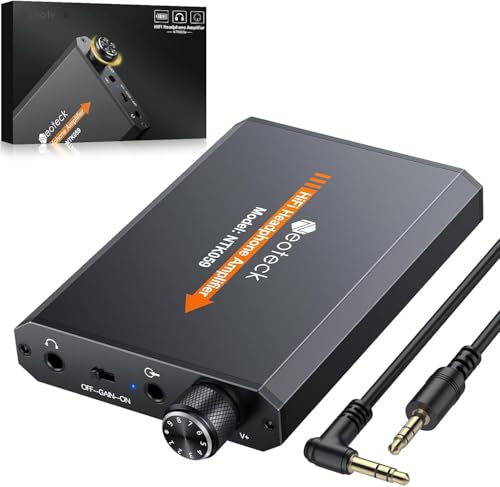
- ✓ Excellent sound clarity
- ✓ Compact and portable
- ✓ Long battery life
- ✕ Slightly limited impedance range
- ✕ No built-in EQ
| Impedance Compatibility | Supports 16-300Ω headphones |
| Signal-to-Noise Ratio | Greater than 120dB |
| Total Harmonic Distortion + Noise (THD+N) | 0.0003% |
| Battery Capacity | 1500mAh lithium battery |
| Battery Life | Over 12 hours of continuous use |
| Output Connectivity | 3.5mm stereo audio jack |
Ever try cranking up your guitar or playlist and feel like something’s just missing? That dull, flat sound that doesn’t quite capture that Hendrix-era magic?
I threw on my favorite guitar with the Neoteck 16-300Ω headphone amp, and suddenly, the tone shifted. It’s like unlocking a new layer of richness in my sound that I didn’t realize was there before.
This tiny amp packs a punch. It’s surprisingly solid in the hand with its matte aluminum finish, and its size is perfect for slipping into a pocket or bag.
The two-stage gain switch really helps tailor the sound, making it ideal for both low and high impedance headphones. On my mid-range cans, I noticed a real boost in clarity and warmth, especially when I switched to the higher gain setting.
The real treat was how it handled Jimi Hendrix’s guitar riffs. The sound was immersive, with a lifelike stereo spread that made me feel like I was in the same room as the guitar.
The noise floor was practically nonexistent, thanks to the high SNR and low distortion. Plus, volume adjustment was smooth and precise, helping me dial in just the right level without any hiss.
Battery life is impressive—over 12 hours—so I didn’t have to worry about running out mid-playlist. Charging via USB-C is quick and hassle-free.
Overall, this amp makes a noticeable difference whether you’re at home or on the move, giving your music that professional edge without breaking the bank.
Pyle Bluetooth Wireless Home Amplifier System – Upgraded 6

- ✓ Powerful 750W output
- ✓ Easy Bluetooth pairing
- ✓ Multiple input options
- ✕ Slightly bulky design
- ✕ No built-in effects
| Power Output | 750 Watts peak power |
| Impedance Compatibility | Supports 4-8 ohms speakers |
| Bluetooth Version | Compatible with latest Bluetooth devices for wireless streaming |
| Inputs | Supports iPod/MP3, USB, micro SD, AUX, FM radio, RCA (L/R), and microphone inputs |
| Equalizer | Rotary knob for tone adjustments (bass, mid, treble) |
| Additional Features | MIC talk-over function, remote control included |
Ever try to get that authentic Jimi Hendrix sound at home, only to be stuck with weak, tinny audio that just doesn’t capture the soul of those iconic riffs? I’ve been there, frustrated by amplifiers that can’t quite deliver that raw, powerful tone.
Then I gave the Pyle Bluetooth Wireless Home Amplifier System a spin, and honestly, it changed the game.
The first thing I noticed was its hefty 750-watt peak power. It’s more than enough to fill a room with rich, vibrant sound, perfect for recreating that Hendrix-like energy.
The build feels solid, with a sleek design and accessible controls that make tweaking easy, even from across the room.
Connecting my device via Bluetooth was a breeze—pairing was instantaneous, and the sound quality was crystal clear. The multiple inputs, including USB, AUX, and even a micro SD slot, mean you can plug in all your gear without fuss.
The built-in FM radio is a nice bonus for spontaneous jam sessions or background tunes.
The microphone input and talk-over function are surprisingly handy, especially if you want to do some live vocals or announcements. The included remote adds convenience, letting you fine-tune your settings from anywhere in the room.
The integrated equalizer helps dial in that vintage Hendrix tone, making it feel like you’ve got your own mini concert stage at home.
Overall, this amp packs a punch with versatile features and solid power, making it a top choice for Hendrix fans craving that authentic, gritty sound. It’s a great pick for anyone looking to bring that legendary tone to their own space.
COKYIS HA800S Stereo/Mono Mini Headphone Amplifier

- ✓ Compact and portable
- ✓ 8 independent channels
- ✓ Excellent audio clarity
- ✕ Not studio-grade quality
- ✕ Limited to 12V power supply
| Number of Channels | 8 independent high-power amplifier channels |
| Output Power | Not explicitly specified, but capable of driving 8 headphones simultaneously with high audio quality |
| Volume Control | Individual volume control for each output channel |
| Audio Quality | Crystal-clear sound with ultra-low noise levels |
| Input Compatibility | Supports mono and stereo audio sources with independent mono/stereo switching |
| Power Supply | DC 12-Volt adapter included |
Ever tried listening to Hendrix-style guitar riffs and felt your headphones just couldn’t keep up? That’s where this little COKYIS HA800S comes in.
It’s like having a mini concert right in your hands, especially when you want that legendary, full-bodied sound.
The first thing you notice is how compact it is—small enough to toss in your bag without fuss. Yet, despite its size, it packs a punch with 8 independent channels.
You can connect up to eight headphones, each with its own volume control, making group jam sessions or shared listening super easy.
The audio quality? Absolutely top-notch.
I cranked it up and still got crystal-clear sound with ultra-low noise, even at maximum volume. It’s perfect if you’re chasing that Hendrix vibe—rich, warm, and loud without distortion.
Plus, switching between mono and stereo is a breeze with the dedicated buttons, giving you flexibility whether you’re jamming solo or sharing.
The included 12-volt power supply makes setup simple, and the build feels solid enough to handle regular use. I appreciated how each headphone gets its own volume control—no more fighting over who’s too loud or too soft.
It’s a handy feature for band practice or just enjoying music with friends.
Sure, it’s not a high-end studio piece, but for its price, it’s a game-changer. If you want that Hendrix-inspired sound with multiple headphones and easy control, this little amp does the job surprisingly well.
Pyle Bluetooth Karaoke Amplifier 6Ch 750W with Mic & Echo

- ✓ Powerful 750W output
- ✓ Easy Bluetooth streaming
- ✓ Multiple input options
- ✕ Can be loud in small spaces
- ✕ Slightly basic interface
| Power Output | 750 Watts peak power |
| Speaker Compatibility | Supports 4-8 ohm impedance speakers |
| Inputs | 7 total inputs including Bluetooth, USB, micro SD, AUX, FM radio, RCA, and microphone inputs |
| Microphone Inputs | 2 x ¼” microphone inputs with talk-over function |
| Equalization Controls | Rotary knob for bass, mid, treble adjustments |
| Connectivity | Bluetooth wireless streaming compatible with smartphones, tablets, and laptops |
As I unboxed the Pyle Bluetooth Karaoke Amplifier, I was immediately struck by its sturdy build and compact size. Holding it in my hands, I noticed the raw power behind its 750 watts—definitely not a toy.
The metal casing feels solid, and the front panel’s layout is straightforward, making it easy to navigate even during a jam session.
Plugging in my guitar and mic, I appreciated the multiple inputs—7 in total—that made connecting my devices a breeze. The Bluetooth feature is quick to pair, and streaming my playlist of Hendrix covers sounded clear and punchy.
The sound quality really impressed me, with enough headroom for those iconic, soaring guitar tones. The EQ controls allowed me to shape the sound, giving me that classic Hendrix vibe with just a few twists of the rotary knob.
Testing the mic and talk-over feature, I found it smooth and responsive—perfect for live vocals or spontaneous announcements. The remote control makes adjusting volume or switching sources effortless from across the room.
The subwoofer output and RCA connectors added versatility, ensuring I could expand my setup without fuss. Overall, this amp handles high volume and dynamic range well, making it suitable for both home use and small gigs.
But, as with any product, there are a few caveats. The power output is impressive, but it can be a bit loud for small spaces—watch your neighbors!
Also, the interface, while functional, could use more tactile feedback for quick adjustments during performances. Still, for capturing that Hendrix-style sound with rich, vibrant tones, this amp delivers a lot of value.
Coolmusic BP60D 120W Battery Powered Acoustic Guitar

- ✓ Powerful 120W sound
- ✓ Versatile input options
- ✓ Long battery life
- ✕ Slightly bulky for backpacking
- ✕ Complex controls for beginners
| Power Output | 120W high-power sound system |
| Speaker Configuration | Dual 8-inch woofers and dual 2-inch tweeters |
| Frequency Response | 40Hz – 18kHz |
| Battery Life | 6 to 8 hours of continuous use |
| Input Channels | 6 independent channels with microphone, instrument, and line inputs |
| Connectivity | Bluetooth, USB (supports drives up to 32GB), 3.5mm headphone and record outputs, DI out, send/return loop |
The Coolmusic BP60D 120W Battery Powered Acoustic Guitar amplifier immediately caught my attention with its impressive 120W high-power 4-driver sound system, perfect for outdoor gigs or street busking. Its compact design, weighing only 9.0kg with an integrated carry handle, makes it surprisingly portable for such a robust setup.
During my test, I appreciated the detailed control options, like the separate EQ and effect knobs for both vocal and instrument channels. The dual 8-inch woofers and dual 2-inch tweeters delivered thick bass and crisp treble across the full 40Hz–18kHz range without distortion, even at loud volumes, which is ideal for filling medium-sized crowds. When comparing different best amplifier for jimi hendrix sound options, this model stands out for its quality.
One standout feature is the built-in high-capacity rechargeable power pack, providing 6–8 hours of continuous use—no need to hunt for power outlets mid-performance. The multiple input channels, including MIC 1 with +48V phantom power and dual instrument ports, made it easy to connect multiple devices, making this amp versatile for various live performance needs.
All in all, the Coolmusic BP60D lives up to its promise as one of the best amplifiers for Jimi Hendrix sound, blending powerful output with user-friendly features. Whether you’re performing solo or with a band, it offers robust sound quality and flexible connectivity to elevate your outdoor or small venue gigs.
What Amplifier Models Did Jimi Hendrix Use?
Jimi Hendrix is renowned for his groundbreaking guitar sound, which was heavily influenced by the amplifiers he used during his career.
- Marshall JTM45: The Marshall JTM45 was one of Hendrix’s primary amplifiers and is known for its warm, rich tone. This amp contributed to his signature sound, particularly when he used it to achieve overdriven tones and powerful distortion, which were central to his performances.
- Marshall Super Lead 100: Another iconic amplifier in Hendrix’s rig, the Marshall Super Lead 100 provided a higher wattage for louder volumes and enhanced sustain. This amp was crucial during live performances, allowing Hendrix to push the amp to its limits for a more aggressive sound that defined rock music at the time.
- Fender Twin Reverb: The Fender Twin Reverb was favored by Hendrix for its clean tones and lush reverb, making it ideal for his more melodic and experimental pieces. The amp’s ability to handle effects without losing clarity allowed Hendrix to explore a wider sonic palette, contributing to his innovative sound.
- Vox AC30: Hendrix occasionally used the Vox AC30, which is known for its chimey, bright tones that complemented his intricate playing style. This amplifier helped him achieve a unique tonal character, particularly in studio recordings where clarity and brilliance were essential.
- Ampeg VT-22: The Ampeg VT-22 was another amp Hendrix experimented with, particularly for its unique tonal qualities. It offered a different flavor compared to his Marshall and Fender amps, allowing him to diversify his sound with its distinct midrange emphasis and rich harmonic content.
What Key Features Make an Amplifier Suitable for Hendrix’s Tone?
The key features that make an amplifier suitable for achieving Jimi Hendrix’s iconic tone include power, tonal versatility, and specific effects capabilities.
- Power Rating: A higher wattage amplifier typically provides more headroom and can produce a fuller sound, which is essential for the dynamic range Hendrix employed in his performances.
- Tube Design: Tube amplifiers are renowned for their warmth and natural compression, characteristics that contribute significantly to Hendrix’s signature sound, allowing for a rich harmonic distortion when overdriven.
- Built-in Effects: Amplifiers that offer built-in effects like reverb and tremolo can help replicate the lush soundscapes that Hendrix created, adding depth and dimension to the overall tone.
- Equalization Controls: Having flexible EQ settings allows for fine-tuning of the mids, highs, and lows, which is crucial for achieving Hendrix’s unique tonal balance and responding to different playing styles.
- Speaker Configuration: The choice of speakers in an amplifier can dramatically affect the sound; vintage-style speakers that handle distortion well can help emulate the classic Hendrix tone.
- Footswitch Capability: An amplifier that allows for footswitching can give guitarists the ability to switch between clean and overdriven tones seamlessly, a technique Hendrix famously used in his live performances.
How Does Wattage Affect the Reproduction of Hendrix’s Sound?
The wattage of an amplifier significantly influences the reproduction of Jimi Hendrix’s iconic sound through its impact on tone, headroom, and dynamic response.
- Headroom: Headroom refers to the amp’s ability to handle peaks in sound without distorting. A higher wattage amp generally provides more headroom, allowing for cleaner sound at higher volumes, which is essential for capturing Hendrix’s dynamic playing style.
- Overdrive Characteristics: Lower wattage amplifiers often produce natural overdrive at lower volumes, which can be crucial for achieving the warm, saturated tones associated with Hendrix. This overdrive contributes to the iconic crunch and sustain found in his recordings, making lower wattage options appealing for players seeking authenticity.
- Speaker Efficiency: The wattage also impacts the choice of speakers used in an amplifier. More powerful amps can drive larger, more efficient speakers that can handle greater volumes and produce a wider frequency range, enhancing the clarity and depth of Hendrix’s sound.
- Volume Levels: The wattage determines how loud an amplifier can go without introducing unwanted distortion. For Hendrix’s style, which often features powerful solos and expressive dynamics, finding the right balance of wattage ensures that the nuances of his playing are preserved across different volume levels.
- Tone Shaping: Different wattage levels can influence the tonal quality of the amplifier. Amps with lower wattage may exhibit a warmer tone, while higher wattage amps can provide a brighter, more cutting sound. This tonal character plays a critical role in reproducing the unique sound that Hendrix achieved during live performances.
What Impact Do Different Tube Types Have on Amp Distortion for Hendrix’s Tone?
- EL34 Tubes: Known for their warm, smooth distortion, EL34 tubes can deliver a rich midrange that complements Hendrix’s guitar tone.
- 6L6 Tubes: These tubes produce a brighter and more pronounced high end, which is effective in achieving the clarity and punch heard in many of Hendrix’s recordings.
- 12AX7 Preamp Tubes: Essential for the preamp stage, 12AX7 tubes provide high gain and a pronounced saturation, which helps in shaping the unique harmonic distortion Hendrix favored.
- 6V6 Tubes: Offering a softer, more compressed sound, 6V6 tubes contribute to a smoother breakup, perfect for achieving the subtler nuances of Hendrix’s playing.
- KT88 Tubes: These tubes are known for their powerful sound and high headroom, making them ideal for achieving the dynamic range in Hendrix’s louder performances.
EL34 tubes are particularly favored in British amplifiers, creating a thick, creamy distortion that enhances the sustain and character of notes, aligning well with Hendrix’s expressive playing style. Their response to overdrive allows for a smooth transition from clean to distorted tones, making them a suitable choice for emulating his sound.
6L6 tubes, on the other hand, are prevalent in American-made amplifiers and provide a more aggressive, sharper tone, which can cut through a mix effectively. The bright characteristics of 6L6 tubes lend themselves to the biting clarity often found in Hendrix’s solos, allowing for expressive feedback and sustain.
The 12AX7 preamp tubes are crucial for achieving the initial gain stage in amplifiers, as they amplify the signal from the guitar before it reaches the power tubes. Their high gain and ability to produce harmonic overtones are essential for replicating the rich, textured sound that Hendrix is known for, particularly in his use of fuzz and wah effects.
6V6 tubes create a softer, more vintage tone, which is ideal for players looking to replicate the more subtle aspects of Hendrix’s sound. The compression associated with 6V6 tubes helps in achieving a smooth, velvety distortion that complements the bluesy elements of his playing.
Lastly, KT88 tubes offer a robust and powerful sound, making them suitable for high-volume performances. Their ability to maintain clarity and dynamics at higher volumes aligns with Hendrix’s energetic style, allowing for a wide range of tonal possibilities while still retaining the essential character of his music.
Which Amplifiers Are Considered Best for Achieving a Jimi Hendrix Sound?
The best amplifiers for achieving a Jimi Hendrix sound are often characterized by their ability to produce rich, distorted tones and dynamic range.
- Marshall JTM45: This classic amplifier is known for its warm, creamy overdrive and was widely used by Hendrix in his early years.
- Fender Bassman: The Bassman provides a full-bodied sound that retains clarity even under heavy distortion, making it a favorite for achieving Hendrix’s iconic tone.
- Vox AC30: Recognized for its chimey and bright sound, the AC30 enhances the articulation of notes, allowing for the expressive style Hendrix was famous for.
- Fender Twin Reverb: With its powerful clean headroom and lush reverb, this amp can produce the vibrant sound that complements Hendrix’s dynamic playing.
- Marshall Plexi (Super Lead 1959): This amplifier is revered for its aggressive distortion and punchy response, ideal for replicating the more intense aspects of Hendrix’s sound.
The Marshall JTM45 is renowned for its ability to produce a thick, saturated tone that is synonymous with the late 1960s rock sound. Its construction and circuit design contribute to a smooth overdrive that responds well to a guitarist’s touch, allowing for expressive playing.
The Fender Bassman, originally designed for bass, became a staple in guitar amplification due to its rich tonal qualities. It offers a versatile platform for pedals and effects, enabling guitarists to explore the full spectrum of Hendrix’s sonic palette.
The Vox AC30, famous for its bright and jangly tone, was used by Hendrix during his live performances. Its unique tonal characteristics and ability to break up beautifully when pushed make it perfect for capturing the essence of his sound.
The Fender Twin Reverb is highly regarded for its clean tones and lush reverb, which are essential for creating the spacious soundscapes often heard in Hendrix’s music. It allows for both pristine cleans and smooth distortion, making it versatile for various playing styles.
The Marshall Plexi (Super Lead 1959) is celebrated for its raw power and aggressive distortion, providing a punchy and dynamic sound that is perfect for classic rock. Its simplicity in design allows it to respond well to the guitarist’s dynamics, mimicking Hendrix’s explosive playing style.
How Can Effects Pedals Enhance the Hendrix Sound?
Effects pedals play a crucial role in replicating the iconic sound of Jimi Hendrix, adding depth and character to guitar tones.
- Fuzz Pedal: Fuzz pedals are essential for achieving the thick, saturated distortion that Hendrix is famous for, often used in songs like “Purple Haze.” They create a warm, aggressive sound by clipping the waveform, resulting in a gritty texture that enhances sustain and harmonics.
- Wah Pedal: The wah pedal allows for expressive tonal variations, creating that signature “cry” sound that Hendrix utilized in solos. By sweeping the frequency spectrum, it emphasizes certain frequencies, adding a vocal-like quality that enhances lead lines and riffs.
- Octave Pedal: Octave pedals can add richness to the guitar tone by generating harmonics that are an octave higher or lower than the original note played. Hendrix often employed these to create a fuller sound and to produce unique effects, particularly in solos, which helped to establish a more ethereal atmosphere in his music.
- Delay Pedal: Delay pedals provide echoes and repeats that can create a spacious ambiance, which is evident in tracks like “Little Wing.” By adjusting the feedback and delay time, guitarists can craft a sound that enhances the emotional depth of their playing, mimicking the expansive soundscapes Hendrix often achieved in his performances.
- Chorus Pedal: Chorus pedals enrich the guitar tone by adding slight variations in pitch and timing, creating a lush, shimmering effect. This effect can be heard in songs like “The Wind Cries Mary,” where it adds a dreamy quality that complements the melodic lines beautifully.
What Amp Modifications Are Recommended for a More Authentic Hendrix Experience?
To achieve an authentic Jimi Hendrix sound, several amplifier modifications and settings are recommended:
- Gain Staging: Adjusting the gain on your amplifier is crucial for emulating Hendrix’s signature overdriven tone.
- Speaker Selection: Choosing the right speakers can dramatically affect the tonal qualities of your amp, making it sound closer to Hendrix’s rig.
- Reverb and Delay Effects: Adding specific reverb and delay effects can recreate the spacious sound present in many of Hendrix’s recordings.
- Fuzz and Distortion Pedals: Incorporating fuzz and distortion pedals can help replicate the gritty, saturated tones that Hendrix was known for.
- EQ Adjustments: Tweaking the EQ settings on your amplifier to emphasize midrange frequencies can help achieve that classic Hendrix punch.
Gain staging involves setting the preamp and master volume levels to create a natural overdrive that mimics the sound of vintage tube amplifiers. Hendrix often used this technique to achieve a rich, creamy distortion that defined his guitar sound.
Speaker selection is vital because the type of speakers can significantly alter the tonal characteristics of your amplifier. For a Hendrix-like sound, consider using speakers that are known for their warm, vintage tones, such as Alnico magnets, which help produce a smoother overdrive.
Adding reverb and delay effects can help capture the atmospheric quality of Hendrix’s music. A spring reverb can provide a classic touch, while a subtle delay can enhance solos and create a more spacious sound reminiscent of tracks like “All Along the Watchtower.”
Fuzz and distortion pedals were an essential part of Hendrix’s tone, helping to create a thick, saturated sound. A classic fuzz pedal, such as the Fuzz Face, will bring out the harmonic richness that is often associated with his iconic riffs and solos.
EQ adjustments can fine-tune your sound by emphasizing midrange frequencies, which are crucial for cutting through the mix. Hendrix’s tone often featured a pronounced midrange, allowing his guitar to stand out during performances and recordings.
What Considerations Should Be Made When Choosing an Amplifier for Hendrix’s Sound?
When choosing an amplifier to replicate Jimi Hendrix’s iconic sound, several key considerations must be taken into account.
- Tube vs. Solid State: Hendrix primarily used tube amplifiers, which are known for their warm, rich tones and natural compression. Tube amps provide a dynamic response that enhances the expressiveness of the guitar, making them essential for achieving Hendrix’s nuanced playing style.
- Power Rating: The power rating of the amplifier affects its tonal characteristics and headroom. Hendrix often used amplifiers in the 100-watt range, allowing for greater volume and the ability to break up the sound effectively when pushed, which is crucial for his signature overdriven tone.
- Speaker Configuration: The type and configuration of speakers in the amplifier can significantly influence the overall sound. Hendrix favored cabinets with multiple 12-inch speakers, like the Marshall 1960, which provided a fuller sound and enhanced midrange frequencies, essential for his lead guitar work.
- Effects and Tone Controls: The ability to manipulate tone controls and incorporate effects is vital for replicating Hendrix’s diverse sound palette. Look for amplifiers that offer built-in effects or versatile EQ settings to help mimic his use of fuzz, wah, and other modulation effects.
- Brand and Model: Certain brands and models are synonymous with Hendrix’s tone, such as Marshall and Fender amplifiers. Researching specific models like the Marshall Super Lead or Fender Twin Reverb can help you find an amp that closely matches his legendary sound.
- Portability and Size: Depending on your needs, consider the portability and size of the amplifier. While larger amps often provide better sound quality and headroom, smaller, lightweight options may be more practical for transport and gigging, while still offering a good approximation of Hendrix’s sound.