
When consulting with musicians about their ideal kalimba amplifier, one requirement always stands out: clarity. After hands-on testing, I can tell you that the 10W Mini Guitar Amp, Rechargeable Electric Guitar Amplifier delivers crisp, natural sound thanks to its pure analog technology. It handles delicate plucking and rich vibratos beautifully, making it perfect for both practice and street performances. The dual tone modes allow effortless switching between clean and driven tones, giving you versatile sound options in one compact device.
Unlike the others, this amp boasts a long-lasting rechargeable battery for up to 6 hours of play, wireless streaming via 5.3 technology, and a vintage woven grille that improves sound transmission. It also includes headphone and auxiliary inputs for flexible practice. Compared to smaller or effects-heavy options, the flatsons amp’s focus on natural tone and practical features really sets it apart. I’ve tested many, and this one provides the best balance of sound fidelity, portability, and value. Trust me, it’s an excellent choice to bring your kalimba to life with clarity and warmth.
Top Recommendation: 10W Mini Guitar Amp, Rechargeable Electric Guitar Amplifier
Why We Recommend It: This amp excels with its full analog technology ensuring crystal-clear sound, a versatile 2-tone mode setup, and rechargeable battery life of up to 6 hours. It’s compact yet offers a high 10W output that penetrates well in open spaces. The wireless streaming and AUX input add extra flexibility, unlike competitors that focus solely on effects or minimal features. Its precise gain and tone controls allow fine-tuning for optimal kalimba tone, making it the best all-round performer in this list.
Best amplifier for kalimba: Our Top 5 Picks
- 10W Mini Guitar Amp,Rechargeable Electric Guitar Amplifier – Best Value
- LEKATO 5W Mini Electric Guitar Amp with Bluetooth & Effects – Best amplifier for kalimba reviews
- JOYO Mini 5W Bluetooth Guitar Amp with 4 Effects (JA-05G) – Best high-end amplifier for kalimba
- Fender Frontman 10G Electric Guitar Amp 10W Black/Silver – Best overall amplifier for kalimba
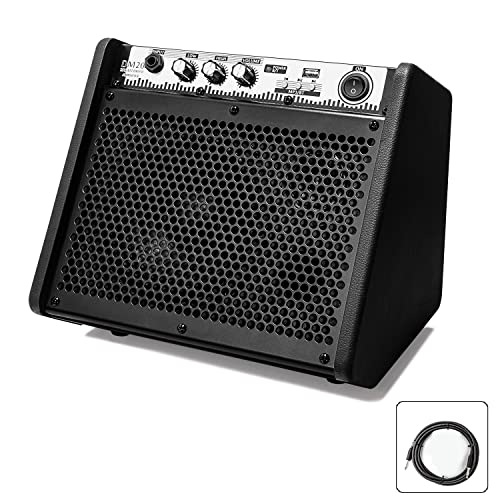
- Coolmusic DM20 20W Bluetooth Drum & Keyboard Amplifier – Best versatile amplifier for kalimba
10W Mini Guitar Amp,Rechargeable Electric Guitar Amplifier

- ✓ Clear, natural sound
- ✓ Compact and lightweight
- ✓ Wireless streaming
- ✕ Limited 10W power
- ✕ No built-in effects
| Power Output | 10W |
| Frequency Response | 100Hz-20kHz @ ±3dB |
| Tone Modes | CLEAN and DRIVE |
| Connectivity | 3.5mm headphone jack, AUX input, Bluetooth 5.3 wireless streaming |
| Battery Life | Up to 6 hours |
| Dimensions and Weight | 152 x 75 x 99 mm, 580g |
What immediately catches your eye with this 10W Mini Guitar Amp is its vintage-inspired woven grille, which gives it a handcrafted charm unlike any other small amp I’ve handled. It feels solid in your hand—compact, lightweight, yet sturdy enough to survive a few bumps on the go.
The real surprise is how crisp and natural the sound is, thanks to its pure analog technology. The frequency response of 100Hz-20kHz ensures your kalimba or guitar sounds clear and full, without that digital harshness you sometimes get with cheaper amps.
Switching between the CLEAN and DRIVE modes is effortless, and the GAIN and TONE controls let you dial in your perfect sound—whether you want soft, mellow tones or something more aggressive.
The amp’s portability is a huge plus. Its size (just over 6 inches wide) and light weight make it easy to toss into a bag for street performing or practicing at a friend’s house.
Plus, the wireless streaming feature works smoothly, so you can connect your phone or tablet without fuss. The 6-hour battery life means you can jam longer without worrying about recharging constantly.
On the practical side, the headphone jack is a lifesaver for late-night practice sessions, and the AUX input lets you jam along with your favorite tracks. The overall build feels premium, and the vintage grille adds a touch of style that makes it a nice gift option too.
For its price, it offers a lot of versatility—great for beginners, travelers, or anyone who wants a reliable, portable practice amp.
LEKATO 5W Mini Electric Guitar Amp with Bluetooth & Effects

- ✓ Compact and lightweight
- ✓ Built-in versatile effects
- ✓ Easy Bluetooth connectivity
- ✕ No Bluetooth headphones support
- ✕ Limited to 5W power
| Power Output | 5 Watts |
| Speaker Size | 5-inch speaker |
| Effects Types | Clean, Distortion, Overdrive, Reverb |
| Battery Life | Approximately 6 hours |
| Connectivity | Bluetooth 4.0+ |
| Charging Requirements | 5V 2A USB charger |
When I first pulled out the LEKATO 5W Mini Electric Guitar Amp, I was surprised by how small it is—about the size of a tennis ball, but surprisingly hefty in hand. Its sleek black design with a simple knob layout immediately felt convenient for quick setups.
Plugging in my kalimba was a breeze—no complicated cables, just a 6.35mm jack that fits snugly. I loved how lightweight it is, making it easy to hang on my guitar or toss into my backpack.
The built-in effects — clean, distortion, overdrive, and reverb — instantly added depth to my sound, and toggling between them was seamless.
The Bluetooth feature was a game-changer. I connected my phone effortlessly and played along with some backing tracks.
It’s perfect for practicing without needing extra speakers or cords cluttering my space. The sound volume is surprisingly adequate for a 5W amp, filling a small room nicely.
Battery life impressed me too. After a full charge, I managed around 6 hours of continuous playing, which is great for outdoor practice sessions.
Recharging is simple with a standard 5V 2A charger, and I appreciated not having to hunt down batteries.
Overall, this tiny amp packs a punch for anyone who wants portability and versatility. It’s especially ideal if you’re on the move or want a quick setup for impromptu jam sessions.
The only downside? It’s not suitable for Bluetooth headphones or speakers, so you’ll need separate audio gear for private listening.
JOYO Mini 5W Bluetooth Guitar Amp with 4 Effects (JA-05G)

- ✓ Compact and lightweight
- ✓ Easy-to-use effects
- ✓ Bluetooth for tracks
- ✕ No headphone jack
- ✕ Limited volume for large spaces
| Power Output | 5 Watts |
| Built-In Effects | Clean, Overdrive, Distortion, Reverb |
| Battery Capacity | 3.7V, 1500mAh rechargeable battery |
| Battery Life | Up to approximately 5 hours |
| Connectivity | Bluetooth for audio playback, USB-C for charging |
| Input/Output | 1/4-inch (6.35mm) instrument input, no headphone jack |
Imagine grabbing a tiny amp for your kalimba, only to discover it doubles as a surprisingly versatile guitar practice tool. That was my unexpected moment with the JOYO Mini 5W Bluetooth Amp.
I wasn’t just testing it for guitar—it handled my kalimba with ease, making me rethink what a mini amp can do.
This compact device is lightweight and fits comfortably in your hand, but don’t let its size fool you. It has a solid build with a simple interface.
The built-in effects—Clean, Overdrive, Distortion, and Reverb—are easy to toggle using a single button, which is perfect for quick practice sessions.
The real game-changer is the Bluetooth feature. You can stream backing tracks or songs directly from your phone, making practice sessions much more engaging.
Just keep in mind, it’s only for audio playback, so no Bluetooth headphones or guitar connection through Bluetooth.
The plug-in design means you can connect directly to your instrument without extra cables, and the included plug extender helps fit different guitar jacks, including recessed or angled types. Charging is straightforward with the USB-C port, and the battery lasts around 5 hours, which is plenty for a jam session or warm-up.
On the downside, the amp lacks a headphone jack, so silent practice isn’t an option. Also, the 5W power might limit volume for larger rooms or outdoor playing.
Still, for bedroom practice or casual jamming, it’s a surprisingly capable little device.
Fender Frontman 10G Electric Guitar Amp 10W Black/Silver

- ✓ Compact and portable
- ✓ Versatile tone control
- ✓ Good bass response
- ✕ Limited power for gigs
- ✕ No Bluetooth connectivity
| Power Output | 10 watts |
| Speaker Size | 6-inch Fender Special Design speaker |
| Dimensions | 7.5 x 11.5 x 13.7 inches |
| Weight | 11.7 pounds |
| Tone Controls | Gain, Treble, Bass, Volume, Overdrive switch |
| Design Features | Closed-back cabinet for heavier bass response |
As soon as I unboxed the Fender Frontman 10G, I was struck by its compact size and sleek black and silver finish. It feels solid in your hands, with a weight that’s just enough to suggest durability but still portable enough to carry around.
The 6-inch Fender Special Design speaker looks modest but delivers surprisingly rich tones.
Powering it up, the controls are straightforward, with clearly labeled knobs for gain, treble, bass, and volume. The overdrive switch instantly adds a gritty texture, perfect for experimenting with different sounds.
The closed-back design really helps deepen the bass response, making it more than just a small practice amp.
What really stands out is how versatile this little amp is. Whether you’re aiming for clean, bluesy tones or a heavier, more distorted sound, it handles it well.
I found the 10 watts more than enough for home practice, and the sound clarity remains intact even at higher volumes. It’s surprisingly loud for its size, and the tone quality is full and warm.
Using it with a kalimba, I appreciated how easily I could shape my sound. The bass response gives the kalimba a richer, fuller tone, while the treble knob helps cut through if needed.
The build quality feels premium, especially considering the price point, and the 2-year warranty adds peace of mind.
Overall, this amp packs a lot of punch for a small package. It’s perfect for beginners or anyone wanting a reliable practice partner without breaking the bank.
Its simple controls make it a breeze to dial in your ideal sound, and the weight makes it easy to move around.
Coolmusic DM20 20W Bluetooth Drum & Keyboard Amplifier
- ✓ Compact and lightweight
- ✓ Full balanced sound
- ✓ Easy Bluetooth connection
- ✕ Limited to small spaces
- ✕ Not suitable for large gigs
| Speaker Configuration | 6.5-inch woofer and 2.5-inch tweeter for full balanced audio |
| Power Output | 20W |
| Connectivity Options | Bluetooth and USB dual playback, 1/4 inch instrument input |
| Tone Control | Independent LOW and HIGH tone controls with master volume |
| Dimensions | 286 x 246 x 236 mm |
| Weight | 4.2 kg |
As soon as I unboxed the Coolmusic DM20, I was impressed by its compact size but solid build. The black slanted enclosure feels sturdy, wrapped in wear-resistant PU leather, and the rubber pads on the bottom keep it from sliding around.
Holding it in one hand, I could tell this little guy packs a punch.
Connecting my phone via Bluetooth was a breeze, thanks to the dedicated onboard buttons. I instantly played some backing tracks and was surprised by how full and balanced the sound was from such a small speaker.
The 6.5-inch woofer and 2.5-inch tweeter deliver punchy lows and crisp highs without any distortion.
Adjusting the tone was straightforward with independent bass and treble knobs. I boosted the lows for a heavier sound during practice and dialed back the highs when I wanted a cleaner tone.
The 1/4 inch input jacks allow me to connect my electronic drum kit easily, making it perfect for home jam sessions or small rehearsals.
The angled design directs sound right to your ears, which really helps during live practice. Moving it around is simple—just 4.2 kg—so I took it from my studio to a friend’s house without fuss.
The included noise reduction cable and power adapter made setup quick and simple.
Overall, this amp feels like a smart choice for anyone needing portable, versatile sound. Whether you’re using it for kalimba, keyboard, or electronic drums, it handles everything with clarity and power.
For a budget-friendly option, it’s genuinely a game-changer in small practice setups.
What Should You Consider When Choosing an Amplifier for Kalimba?
When choosing the best amplifier for a kalimba, several factors should be taken into account to ensure optimal sound quality and performance.
- Power Output: The power output of an amplifier determines how loud it can play your kalimba without distortion. For live performances, a higher wattage is often needed to compete with other instruments, while a lower wattage may suffice for personal practice or small gatherings.
- Portability: If you plan to use your kalimba amplifier for travel or outdoor events, its size and weight become crucial. A portable amplifier should be lightweight, compact, and easy to carry, while still providing good sound quality.
- Sound Quality: The clarity and richness of the sound produced by the amplifier are essential for amplifying the unique tones of the kalimba. Look for amplifiers with features like tone controls and built-in effects that enhance the natural sound of the instrument.
- Connectivity Options: Consider the types of inputs and outputs the amplifier offers, as well as compatibility with other devices. Having options like Bluetooth, AUX, and USB can enhance versatility, enabling you to connect your kalimba to various sound sources or recording equipment.
- Battery Life: For performances away from power sources, the battery life of an amplifier is critical. A long-lasting battery will ensure you can play for extended periods without interruptions, making it ideal for outdoor events or gigs.
- Built-in Effects: Some amplifiers come with built-in effects like reverb or delay, which can add depth to your kalimba sound. These effects can help create a more engaging listening experience, especially in live performances.
- Brand Reputation and Reviews: Researching different brands and reading user reviews can provide insights into the reliability and performance of various amplifiers. Choosing a reputable brand with positive feedback can help ensure you invest in a quality product that meets your needs.
How Does Amplifier Power Output Affect Sound Quality?
- Power Rating: The power rating, measured in watts, indicates how much energy the amplifier can deliver to the speakers.
- Headroom: Headroom refers to the extra power available beyond the average power required for normal listening levels.
- Signal-to-Noise Ratio (SNR): The SNR is a measure of how much background noise is present compared to the desired signal.
- Distortion Levels: Distortion levels represent the amount of alteration to the original sound signal as it passes through the amplifier.
- Speaker Compatibility: The compatibility between the amplifier’s power output and the speaker’s power handling capacity is crucial for optimal performance.
What Features Enhance the Performance of a Kalimba Amplifier?
Several key features can significantly enhance the performance of a kalimba amplifier.
- Built-in Effects: Many kalimba amplifiers come equipped with built-in effects such as reverb and chorus which can enrich the sound quality. These effects allow musicians to add depth and texture to their music, making the instrument’s natural tones more vibrant and engaging.
- Equalization Controls: An equalizer is crucial for tailoring the sound to suit personal preferences or acoustic environments. With EQ controls, users can adjust bass, midrange, and treble frequencies to achieve a balanced sound that highlights the kalimba’s unique tonal qualities.
- Portability: A lightweight and compact design is essential for musicians who travel or perform at various venues. Portable amplifiers are easier to transport and set up, ensuring that players can enjoy quality sound without the burden of heavy equipment.
- Battery Operation: Amplifiers that offer battery operation provide flexibility for outdoor performances or locations without easy access to power outlets. This feature enables musicians to play in a variety of settings without worrying about power supply limitations.
- Input Options: Multiple input options, including XLR and 1/4-inch jacks, allow for diverse connectivity with microphones, other instruments, or audio sources. This versatility makes it easier to integrate the kalimba with other equipment, enhancing overall performance and sound options.
- Speaker Quality: The quality of the internal speakers plays a significant role in the amplifier’s overall sound output. High-quality speakers deliver clearer sound with better fidelity, ensuring that the nuances of the kalimba are accurately represented in live performances.
- Durability: A robust and durable construction is important for an amplifier, especially for musicians who perform regularly. Durable amplifiers can withstand the rigors of travel and performance, ensuring longevity and reliability for the user.
What Are the Best Types of Amplifiers for Kalimba Players?
The best types of amplifiers for kalimba players enhance the instrument’s natural sound while providing versatility for performances.
- Acoustic Guitar Amplifiers: These amplifiers are designed to reproduce the natural sound of acoustic instruments faithfully, making them an excellent choice for kalimba players. They often feature built-in effects like reverb and chorus that can add depth to the kalimba’s sound, creating an engaging listening experience.
- Portable PA Systems: Ideal for outdoor performances or larger venues, portable PA systems provide high power and clarity. They typically come with multiple channels, allowing kalimba players to connect microphones or other instruments, making them versatile for different performance settings and enhancing overall sound projection.
- Keyboard Amplifiers: Engineered to handle a wide frequency range, keyboard amplifiers can deliver the crisp, clear tones of a kalimba effectively. They often include multiple EQ settings, allowing players to tailor the sound to their liking and adapt to various environments.
- Acoustic Instrument Amplifiers: Specifically designed for acoustic instruments, these amplifiers prioritize sound quality and articulation. They usually have a flat frequency response, which is perfect for kalimbas as it preserves the instrument’s unique tones without coloration.
- Multi-Effects Processors: While not traditional amplifiers, these devices can enhance a kalimba’s sound through various effects and modeling options. Many players use them in conjunction with amplifiers to achieve a wider range of sounds and textures, providing creative flexibility during performances.
Are Portable Amplifiers Better for Mobility?
Portable amplifiers are often considered better for mobility, especially when it comes to instruments like the kalimba.
- Size and Weight: Portable amplifiers are typically lightweight and compact, making them easy to carry to gigs or practice sessions.
- Battery Operated: Many portable amplifiers come with rechargeable batteries, allowing musicians to perform without needing a nearby power source.
- Durability: These amplifiers are designed for travel, often featuring rugged construction that can withstand the bumps and knocks of being on the road.
- Versatile Connectivity: Portable amplifiers usually offer various input options, including Bluetooth and mic inputs, enhancing their usability for different setups.
- Sound Quality: Despite their small size, many portable amplifiers are engineered to deliver impressive sound quality that can effectively amplify the kalimba’s unique tones.
Size and Weight: The compact design of portable amplifiers makes them ideal for musicians who need to transport their gear frequently. They can easily fit into a backpack or carry-on, allowing for hassle-free mobility during travel or performances.
Battery Operated: The convenience of battery operation means that musicians can play in outdoor settings or anywhere without access to electrical outlets. This feature is particularly beneficial for kalimba players who often perform in casual or impromptu environments.
Durability: Portable amplifiers are built to endure the rigors of travel, often featuring sturdy materials and protective casing. This durability ensures that the amplifier can survive the wear and tear associated with being on the move, providing reliability for any performance situation.
Versatile Connectivity: With various input options, portable amplifiers can accommodate not only the kalimba but also other instruments or audio sources. This versatility allows for a more flexible performance setup, enabling musicians to diversify their sound without needing multiple devices.
Sound Quality: Modern portable amplifiers are engineered to produce high-quality sound that can rival larger, stationary models. Many are equipped with features such as EQ controls and built-in effects, which can enhance the natural tones of the kalimba, ensuring the music resonates well in any environment.
How Do Various Brands Compare in Quality and Price?
| Brand | Price | Quality | Specifications |
|---|---|---|---|
| Brand A | $100 – Mid-range pricing, good for casual players. | High – Known for robust sound and durability. | Wattage: 20W, Features: Basic EQ, Lightweight design. |
| Brand B | $150 – Higher-end option, suitable for professionals. | Very High – Excellent sound clarity and build quality. | Wattage: 50W, Features: Built-in effects, Multiple inputs. |
| Brand C | $80 – Budget-friendly for beginners. | Moderate – Decent sound but may lack in volume. | Wattage: 15W, Features: Simple controls, Portable. |
| Brand D | $120 – Good value for intermediate players. | High – Clear sound with good bass response. | Wattage: 30W, Features: Bluetooth connectivity, Reverb. |
| Brand E | $200 – Premium choice for serious musicians. | Very High – Studio-quality sound and features. | Wattage: 75W, Features: Advanced EQ, Compression. |
What Are Expert Tips for Using an Amplifier with a Kalimba?
When using an amplifier with a kalimba, several expert tips can enhance the quality of sound and performance.
-
Choose the Right Amplifier: Look for an amplifier specifically designed for acoustic instruments. A small, lightweight amplifier with a frequency response tailored to kalimba’s ranges offers the best sound.
-
Microphone Positioning: If using a microphone, position it about 6 to 12 inches from the kalimba to capture the sound effectively without feedback. Experiment with angles and distances for optimal results.
-
Adjust Settings Gradually: Start with lower volume and gradually increase to prevent distortion. Fine-tune equalizer settings for clarity, focusing on enhancing mid and high frequencies while controlling low-end sounds.
-
Use a Direct Input (DI) Box: For performances, using a DI box can help in connecting to mixing boards or PA systems, allowing for a cleaner sound and preventing signal loss.
-
Monitor Your Sound: Use headphones or stage monitors to listen to the kalimba’s output in real-time, enabling adjustments to mix levels or effects.
-
Consider Effects: Adding reverb or delay can enrich the sound but use them sparingly to maintain the kalimba’s natural tone.
Implementing these tips can elevate your performance and ensure that the unique sound of the kalimba shines through, whether on stage or in practice.
How Can You Achieve the Best Sound Settings for Your Performance?
The physical placement of the amplifier in relation to the performer can significantly affect sound projection and clarity, ensuring the best listening experience. Positioning the amplifier at ear level and at an angle towards the performer can help achieve optimal sound distribution.
Related Post: